Living in Fairport NY: Village vs. Suburban Life
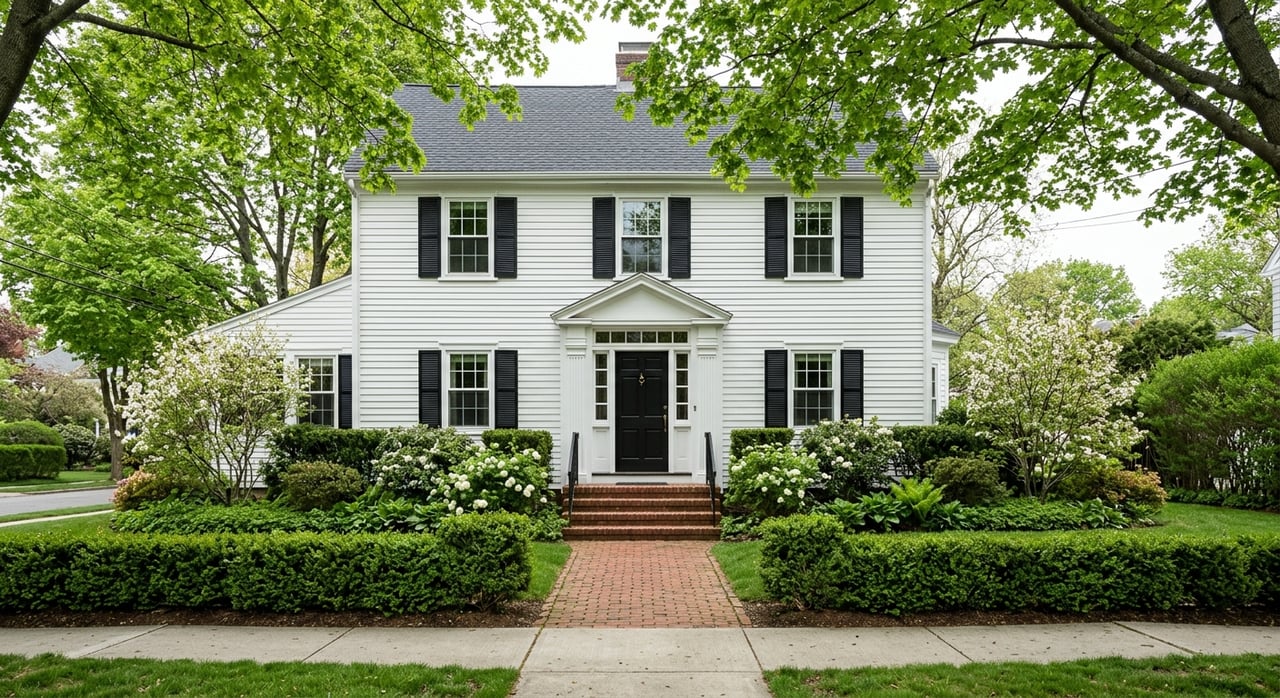
If you are torn between a walkable village lifestyle and a more spread-out suburban setting, Fairport gives you a rare chance to compare both in one place. You may love the idea of strolling to coffee, the canal, or local events, or you may picture a detached home with more yard space and a quieter residential pattern. The good news is that Fairport and the surrounding Perinton area offer both, with daily life shaped less by commute time and more by how you want your days to flow. Let’s dive in.
Fairport Village sits in the center of Perinton along the Erie Canal, and it is noticeably more compact than the rest of the town. Census figures place the village at 5,501 people across 1.58 square miles, while Perinton has 47,479 people across 34.19 square miles. That works out to a density of 3,481.6 people per square mile in the village versus 1,388.9 in the town.
Those numbers matter because they show why the two settings feel different in everyday life. The village has a denser, more connected layout, while the surrounding parts of Perinton reflect a broader suburban pattern. According to the town, land outside the village remained largely rural until the 1950s, then developed into a mix of subdivisions, office and industrial parks, farms, and open space.
In the village core, your day can revolve around Main Street and the canal. Local community materials describe the area as walkable, with canalside parks, a busy downtown, community gathering spots, and pedestrian access across the lift bridge to Main Street. The Erie Canal area also supports a lively waterfront atmosphere, along with a Saturday public market.
That kind of layout changes how errands and outings feel. Instead of planning every stop around a car trip, you may be able to combine a meal, a quick shop, and a canal walk into one outing. If you value being close to activity, the village offers that compact rhythm.
The village comprehensive plan update found that most commercial activity is centered along Main Street and the canal district. It also reported roughly 20 food-and-beverage establishments and more than 30 retail shops in that core area. Recent canal gateway improvements have focused on strengthening pedestrian access and better connections into Main Street.
For many buyers, that means convenience is part of the appeal. You are not just choosing a home, you are choosing proximity to restaurants, shops, parks, and local events. That can make the village especially appealing if you want more activity built into your normal week.
Village convenience is not completely friction-free. Fairport OCED's 2024 parking study notes traffic congestion, parking pressure, and pedestrian safety concerns near North Main Street and High Street as downtown activity has grown. In simple terms, popularity has brought some extra complexity.
That does not make the village less appealing, but it does add balance to the picture. If you enjoy an active downtown, you may see that energy as part of the draw. If you prefer fewer pinch points in your daily routine, the suburban areas may feel more comfortable.
Outside the village, Perinton takes on a more traditional suburban form. Town materials describe 15 parks, the 35-mile Crescent Trail, and a community center with a pool, water park, gym, and meeting space. These amenities support an active lifestyle, but the overall layout is more spread out than the village core.
That usually means your day feels more home-centered and neighborhood-centered. You may have more private outdoor space, a detached home, and greater separation from commercial areas. For many buyers, that spacing is exactly the point.
Perinton's zoning code shows how the outer residential areas are structured. In the Residential Transition 1-2-5 district, the standard home form is a single-family detached dwelling with a two-car private garage. These areas are also described as being farther from commercial and service centers, acting as a transition between suburban and rural densities.
If your ideal setup includes a larger yard, more distance between homes, and a garage-driven daily routine, the suburbs may fit better. The design is less about mixed-use convenience and more about residential space and privacy. That tends to appeal to buyers who want room to spread out.
Fairport Village zoning supports a wider mix of housing types in a compact setting. The village includes six residential districts along with neighborhood business, commercial, industrial, and canal districts. Minimum lot sizes can be as small as 6,000 square feet in several residential districts, 7,500 square feet in another, and 15,000 square feet in the largest-lot residential district.
The Canal District adds another layer to village life. It is intended to protect canal frontage, encourage public access, and allow a range of recreational, business, residential, and related uses along the waterfront. That helps explain why the village feels more blended and connected than a typical subdivision layout.
The housing mix also reflects Fairport's older development pattern. The town historian notes that former school buildings in the heart of the village now serve as condos and apartments. Census data also shows a lower owner-occupied rate in the village, 67.6 percent compared with 79.2 percent in Perinton overall, which aligns with a more mixed housing profile.
Outside the village, lot sizes increase significantly. In the Residential Transition 1-2-5 district, lot minimums are 1 acre with sewer and water, 2 acres with water only, and 5 acres without both. In Residential Transition 2-5, the conventional minimum lot size is 2 acres with utilities or 5 acres without both.
Perinton does allow clustering in some cases, but the broader pattern still emphasizes open space, wider separation, and private drives. That means the suburban experience is usually less compact and less mixed than village life. If you are picturing a detached home with more breathing room, that is where the surrounding neighborhoods stand out.
One of the most useful facts in this comparison is also one of the simplest. Average commute time is nearly the same, with the Census reporting 20.6 minutes for Fairport Village and 20.7 minutes for Perinton. If you are trying to choose based on major commute savings alone, the data does not suggest a dramatic difference.
That is why lifestyle matters more than the clock here. The bigger contrast is how you handle your day once you are home. In the village, your routine may include more walking around the core. In the surrounding suburbs, daily errands and activities are more likely to involve driving between destinations.
RTS Monroe also lists Route 50 Fairport/Penfield, so transit is part of the local transportation picture. Still, for most buyers comparing the village and suburbs, the feel of daily life is likely to matter more than small differences in travel time.
Fairport Village may be the better fit if you are drawn to:
This choice often works well for buyers who want their surroundings to feel active, connected, and convenient. If being in the middle of things energizes you, the village offers a distinctive local lifestyle.
The surrounding Perinton neighborhoods may be a better fit if you prefer:
This option often appeals to buyers who want a quieter residential pattern and more room around the home itself. If your ideal day starts with private space and a more spread-out setting, the suburbs may feel like a stronger match.
There is no one-size-fits-all winner in Fairport. The village offers a lively, walkable environment centered on Main Street and the canal, while the surrounding suburbs offer larger lots, detached homes, and a more residential pace. Since commute times are nearly identical, your best choice usually comes down to whether you want convenience and activity close at hand or more space and separation at home.
If you are weighing both options, a local perspective can make the decision much clearer. The right home is not just about square footage or price point. It is about how you want everyday life to feel. When you are ready to explore Fairport with a strategy that fits your goals, connect with Amy Petrone.
September 3, 2026

August 27, 2026
August 20, 2026
August 13, 2026
August 6, 2026
August 6, 2026
July 23, 2026
July 16, 2026
July 9, 2026
When you hire us you get all the services and advantages of a big team plus the one-on-one customer service of a boutique firm. We take pride in our client relationships and our accessibility!