Fairport Erie Canal Homes: What Buyers Should Know
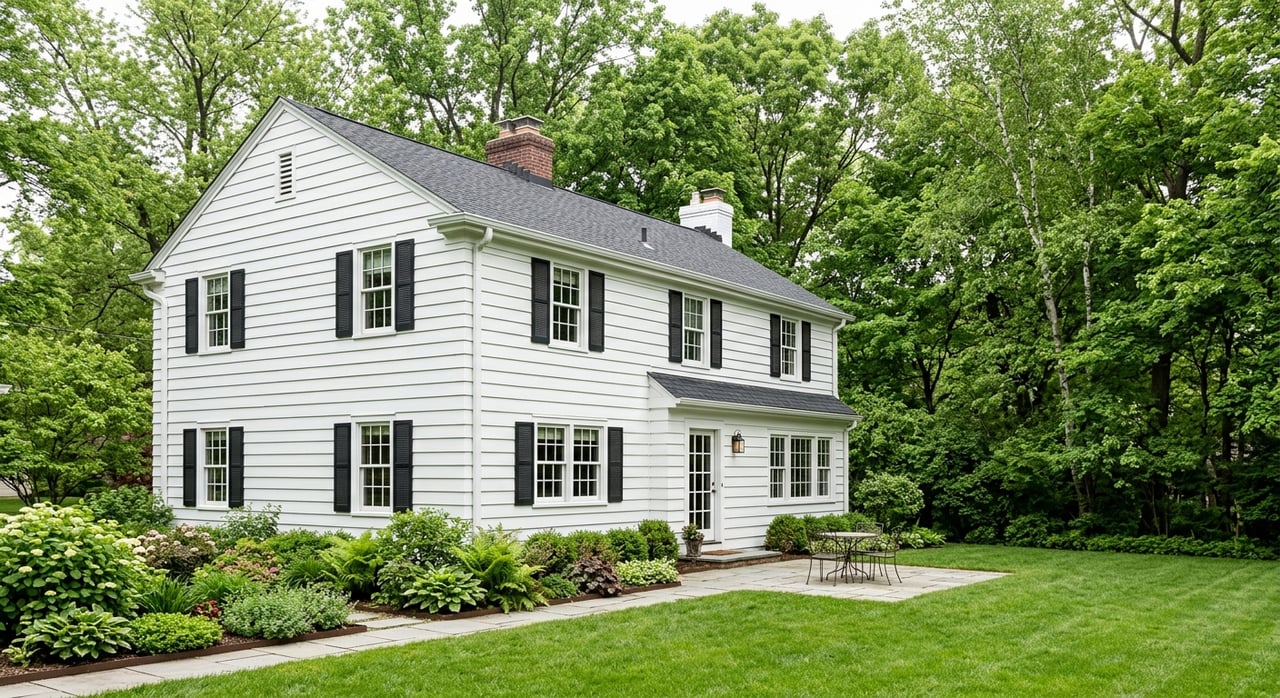
Wondering if buying near Fairport’s Erie Canal is all charm and no tradeoffs? The canal area offers a lifestyle many buyers love, with trail access, water views, and a walkable village setting, but it also comes with zoning details and ownership questions that deserve a closer look. If you are thinking about buying near the canal, this guide will help you understand what to verify before you make an offer. Let’s dive in.
Living near the Erie Canal in Fairport can feel different from living in a typical suburban neighborhood. The canal is woven into daily life in the village, not tucked away as an occasional weekend destination. That day-to-day connection is a big part of the appeal for buyers who want scenery, activity, and a more connected feel.
One standout feature is the Empire State Trail segment between Rochester and Fairport. This route is about 14 miles, mostly paved, and follows the north side of the canal through Pittsford to Fairport. For buyers who enjoy walking, biking, or simply being close to outdoor recreation, that access can be a meaningful lifestyle benefit.
The canal system also supports paddling, trails, events, and boat launches. That means your enjoyment of the area may go beyond the view from a porch or a quick stroll downtown. Depending on the property, you may be buying into a location that supports active use of the water and trail network.
Buyers sometimes assume canal-area homes will follow the same pattern as a standard residential subdivision. In Fairport, that is not always the case. The village zoning code includes a Canal District that is defined as a mixed-use waterfront district rather than a purely residential one.
That distinction matters because the housing mix can be broader. The use table for the Canal District includes single-family homes, two-family homes, townhouses, indoor commercial uses, and water-dependent uses, with some uses requiring special permits. In practical terms, you may see more variety in building type, layout, and overall setting than you would on a newer suburban street.
Some canal-proximate properties may also sit in a Planned Development District. In those cases, standard use and dimensional rules can be replaced for a specific project after concept-plan and site-plan review. For you as a buyer, that can translate to a more varied and sometimes more urban-scaled environment.
If you are serious about a home near the canal, one of the smartest early steps is verifying the exact zoning district for the parcel. The official zoning map is part of the village code and is kept on file in the Village Clerk’s office. That matters because the rules for a canal-area property may differ from what you expect if you assume it is in a standard residential district.
This is especially important if you are planning updates after closing. Renovations or exterior changes may involve site-plan review, a special permit, or district-specific design review, particularly for mixed-use buildings, canal-front lots, and parcels in a Planned Development District. A home that looks straightforward from the outside may still come with extra review requirements.
It is also worth noting that the Canal District standards are written with canal-side environmental features in mind. The code aims to preserve vegetation, encourage public access, and reduce erosion, sedimentation, and drainage problems. Those goals can affect what is possible on a lot and how future improvements are reviewed.
For some buyers, the biggest surprise is that canal-facing design standards may apply. The village code calls for visual access to and along the canal in new development. It also says nonresidential uses that abut the canal should maintain access to the Canal Path where feasible and keeps parking away from the path.
Parcels directly on the canal may also have separate setback rules. That does not automatically make a property harder to own, but it does mean the lot may function differently than a typical backyard lot farther from the water. If you are imagining an addition, a fence change, or major hardscaping, it is smart to confirm what rules apply.
For buyers who value privacy, design, or outdoor living, these details are worth reviewing early. A canal-adjacent lot can be special, but special often comes with more specific standards. Knowing that upfront helps you buy with confidence.
Canal-area buying is not only about lifestyle. It is also about practical ownership. Fairport has acknowledged aging utility infrastructure, and a village newsletter noted that some sewer mains were nearing 100 years old.
The village later adopted a sewer lateral policy to help owners with replacement work. For you as a buyer, that makes due diligence around sewer lateral history, drainage, and basement or exterior moisture issues especially important. Even if a home looks well cared for, questions about runoff, grading, and underground systems are worth asking.
The Canal District standards also reinforce how important drainage, vegetation, and the canal edge can be. On a property near the canal, pay attention to grading, runoff paths, landscaping, retaining features, and hardscape elements. These are not minor details when you are evaluating long-term maintenance.
One of the joys of Fairport is its energy around the canal. Events like Fairport Canal Days and Canal Nights bring activity, entertainment, and a strong sense of place. If you like being near walkable events and village life, that can be a real advantage.
At the same time, event weekends can bring temporary traffic and parking changes. Canal Days uses shuttle service, free public parking locations, and one-side street parking in parts of the village. If you are buying close to the lift bridge or Village Landing, it is worth thinking about how you feel about occasional crowds and traffic management.
This is less about good or bad and more about fit. Some buyers love the added energy and convenience. Others prefer a quieter setting a little farther from the busiest event zones.
Not every home near the canal offers the same kind of access. A property may have a canal view, be close to the trail, sit near a public launch, or simply be in the general canal area without any meaningful water-access benefit. That is why it helps to define what “near the canal” means to you.
For example, the state launch directory lists a hand launch off Liftbridge Lane E in Fairport. The canal system also includes recreation and launch resources that support paddling and other uses. If direct water access matters to you, ask whether the nearby access is public, shared, or more visual than functional.
This can affect both your lifestyle and your expectations. A home with proximity to the canal may still offer a very different day-to-day experience depending on where public access points and trail connections are located.
Before you move forward on a canal-area property, keep your due diligence focused on the details that matter most.
Buying near Fairport’s Erie Canal can be rewarding because the area offers more than a house. You may be buying into a lifestyle shaped by trails, water, walkability, and a distinct village setting. But that same appeal can come with zoning layers and property-specific considerations that are easy to miss if you only focus on finishes and square footage.
When you know what to ask, you can sort out whether a canal-area property truly matches your goals. If you want help evaluating neighborhoods, comparing home options, or navigating the details of a Fairport purchase, Amy Petrone offers personalized, local guidance to help you buy with clarity.
September 10, 2026
September 3, 2026

August 27, 2026
August 20, 2026

August 13, 2026
August 6, 2026
August 6, 2026

July 23, 2026
July 16, 2026
When you hire us you get all the services and advantages of a big team plus the one-on-one customer service of a boutique firm. We take pride in our client relationships and our accessibility!