Rochester Historic Homes: A Smart Buyer’s Guide
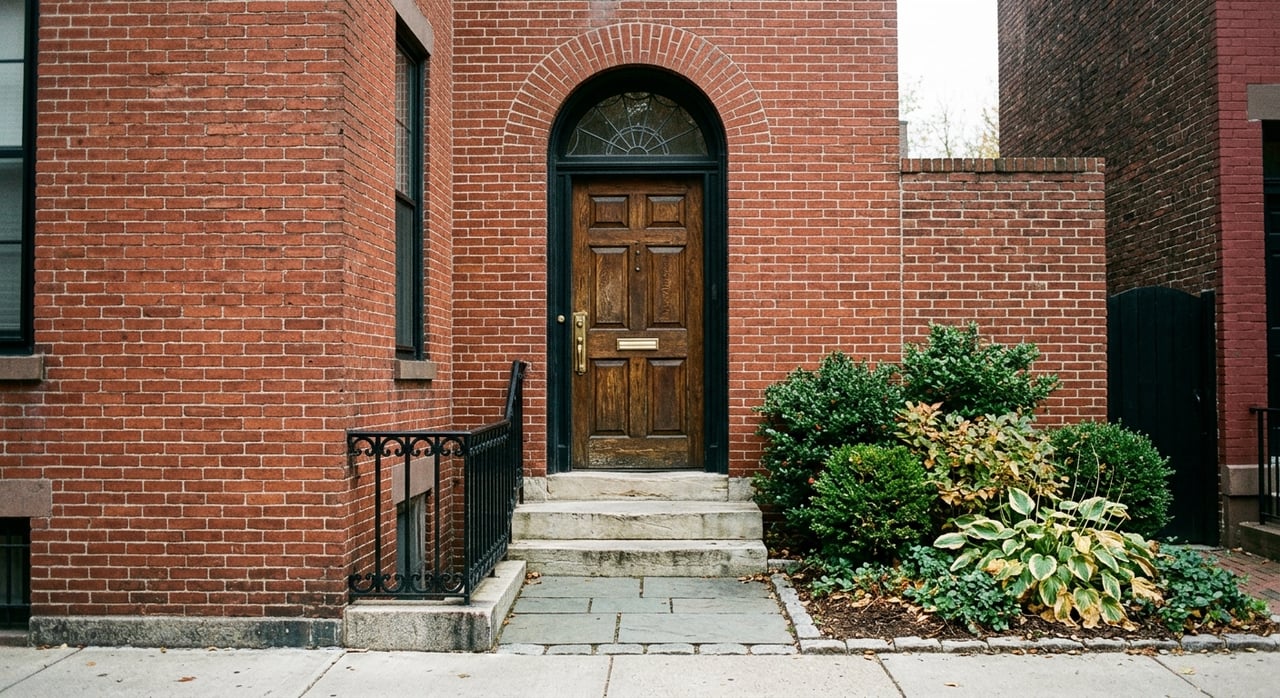
If you love old homes, Rochester’s city neighborhoods can feel irresistible. From brick facades and original woodwork to front porches and tree-lined streets, these properties offer character you simply cannot fake. But buying a historic home here also means understanding how designation, maintenance, and future renovations may affect your plans. If you are considering one of Rochester’s older city neighborhoods, this guide will help you know what to look for before you buy. Let’s dive in.
In Rochester, “historic” does not mean just one thing. A house may be older, located in a local preservation district, listed in a National Register district, designated as an individual landmark, or fall into more than one category.
That distinction matters because the rules are not the same. In Rochester, local designation is what triggers city Preservation Board review for certain exterior work. National Register status may matter more for incentive eligibility than for city permit review.
The city’s preservation framework dates back to 1969. Today, Rochester has nine Preservation Districts with about 1,750 properties, and city review is required before a permit is issued for non-maintenance exterior work on district properties or landmarks.
Rochester has several city neighborhoods where historic housing stands out, but each area offers a different feel. If you are home shopping, it helps to understand that “historic” can look very different from one neighborhood to the next.
East Avenue is one of Rochester’s best-known historic corridors. The city describes it as one of the state’s best catalogues of 19th- and early-20th-century urban residential architecture, and the National Register record identifies Greek Revival, Italianate, and Queen Anne among its major styles.
Park Avenue adds a strong lifestyle component to the appeal. The city describes that corridor as a pedestrian-friendly urban village with shops, restaurants, offices, and services that support the surrounding residential blocks, and it sits within the East Avenue Preservation District.
Corn Hill and the Third Ward tend to feel especially layered and rooted in Rochester’s early history. The city describes this area as Rochester’s oldest residential area, with homes ranging from workers’ cottages and carriage houses to Greek Revival and Italianate mansions.
For buyers, that usually means more variety block to block. You may see a modest home next to a larger, more detailed property, which is part of the charm and part of why careful property-specific research matters.
The Susan B. Anthony neighborhood offers a compact historic setting with a wide mix of architecture. Within its four-street district, the city notes Greek Revival, Italianate, Second Empire, and Queen Anne styles.
That range can be exciting if you want a home with a distinct look and period details. It also means no two homes will age the same way, so inspection quality matters just as much as curb appeal.
South Wedge is often discussed as a historic neighborhood, but it is really a patchwork of designations. The South Wedge, Linden-South, and Mount Hope historic districts are National Register-listed, while South Avenue/Gregory Street and Mount Hope/Highland Park are city preservation districts.
This is a good example of why buyers should never assume two nearby homes are governed the same way. One property may face city review for exterior changes, while another may be affected differently depending on its exact designation.
Maplewood is a strong option if you want substantial period character. Its National Register listing identifies Italianate, Second Empire, and Queen Anne styles, with a period of significance stretching from the late 19th century into the mid-20th century.
Mount Hope/Highland Park offers something a little different. The city describes it as a district shaped by Highland Park, Mount Hope Cemetery, and elegant parkland, with notable architect-designed buildings and a tighter early-20th-century subdivision along its edges.
Part of the fun of buying in Rochester’s historic city neighborhoods is learning the styles you will encounter. These homes often reflect different periods of the city’s growth, and many buyers are drawn to the details that come with them.
Common styles identified across Rochester’s historic districts include:
You do not need to become an architectural historian before making an offer. Still, it helps to know that style often affects materials, maintenance needs, and how future repairs or replacements should be approached.
Before you get too focused on finishes or paint colors, confirm how the property is designated. This is one of the most important early steps when buying a historic home in Rochester.
If a home is in a local preservation district or is a city-designated landmark, exterior alterations generally need a Certificate of Appropriateness before a permit can be issued. The city’s review can cover demolition, alterations, removal of features, and major landscaping.
Rochester also has design guidelines that address features such as:
If you are planning changes, this matters right away. Even work that seems straightforward on a newer home may involve a different process in a local district.
Historic homes can be wonderful to own, but they reward careful inspection. In Rochester’s older housing stock, some issues deserve extra attention because they can affect safety, budget, and renovation planning.
Lead paint is a major concern in older Rochester homes. According to EPA estimates, 87% of homes built before 1940 and 24% of homes built from 1960 to 1978 contain some lead-based paint.
If renovation, repair, or painting projects will disturb paint in a pre-1978 home, lead-safe certified contractors and work practices should be used. For buyers, this means renovation costs and timelines may look different than expected.
Asbestos is another common question in older houses. EPA says you cannot determine whether a material contains asbestos just by looking at it, and if suspect materials such as floor tile, ceiling tile, pipe wrap, shingles, or siding are damaged or will be disturbed, they should be sampled by a trained and accredited asbestos professional.
For the building itself, moisture is one of the biggest threats. The National Park Service says uncontrolled moisture is the most common cause of deterioration in historic buildings.
That is why a historic-home inspection should pay close attention to the building shell. Key areas include mortar joints, chimneys, flashing, grading, gutters, roofs, and drainage around the house.
Masonry deserves special care too. Improper repointing can damage brick or stone, so buyers should pay attention not just to whether work was done, but whether it appears compatible with the home’s original materials.
Historic windows and doors are often an important part of the home’s character. Rochester’s Preservation Board emphasizes repair and restoration rather than replacement, and National Park Service guidance also recommends repair first when possible.
If replacement becomes unavoidable, the new unit should match the old in visual qualities and, where possible, materials. Buyers should keep this in mind when evaluating both existing upgrades and future renovation plans.
Mechanical updates need a thoughtful look as well. The National Park Service warns that poorly planned heating and cooling retrofits can remove historic materials or create moisture-related damage.
Owning a historic home in Rochester often means adopting a repair-first mindset. Compared with a newer suburban home, you should expect more small repairs, more attention to material choices, and sometimes more specialized labor.
That does not mean historic ownership is a bad fit. It simply means the experience is often more hands-on, and success comes from maintaining the home carefully rather than waiting for small issues to become big ones.
You should also expect some extra process around future exterior work if the property is in a local district. The city’s review and permit sequence can add lead time before work begins, so renovation plans usually benefit from a realistic schedule.
Historic designation can affect not only regulation, but also potential financial incentives. Rochester offers a local Historic Property Tax Exemption for improvements to properties in its preservation districts or city-designated individual landmarks.
According to the city, qualifying work must preserve the property, must be approved by the Preservation Board before construction begins, and is not limited to exterior alterations. The exemption also does not limit the property’s use.
New York State also offers an owner-occupied historic-home credit. The state says the credit equals 20% of qualified rehabilitation expenses, with at least $5,000 in eligible work, at least 5% spent on exterior work, prior approval before work begins, and a maximum of $25,000 per taxpayer per year.
Eligibility is property-specific, so it is important to verify whether a home qualifies rather than assume every older Rochester property does. A house can be old without meeting the criteria for these programs.
For income-producing buildings, the incentive picture is different. The federal rehabilitation credit is available for certified historic structures used for commercial or other income-producing purposes, not owner-occupied residences.
If you are buying a historic home in Rochester, the smartest approach is simple: verify the designation early, inspect deeply, and plan renovations realistically. That can help you avoid surprises after contract acceptance and before contingencies expire.
It also helps to work with an agent who understands how neighborhood character and property details intersect. In Rochester’s city neighborhoods, two homes on nearby streets can have very different approval requirements, maintenance needs, and renovation paths.
When you go in with clear expectations, a historic home can be incredibly rewarding. You get architecture, craftsmanship, and a sense of place that is hard to replicate in newer construction.
If you are exploring Rochester’s city neighborhoods and want thoughtful guidance on how to evaluate an older home, Amy Petrone can help you navigate the process with clear advice and local perspective.
October 15, 2026
October 8, 2026
October 1, 2026
September 24, 2026
September 17, 2026
September 10, 2026
September 3, 2026

August 27, 2026
August 20, 2026
When you hire us you get all the services and advantages of a big team plus the one-on-one customer service of a boutique firm. We take pride in our client relationships and our accessibility!