Explore Brighton NY’s Most Walkable Neighborhoods
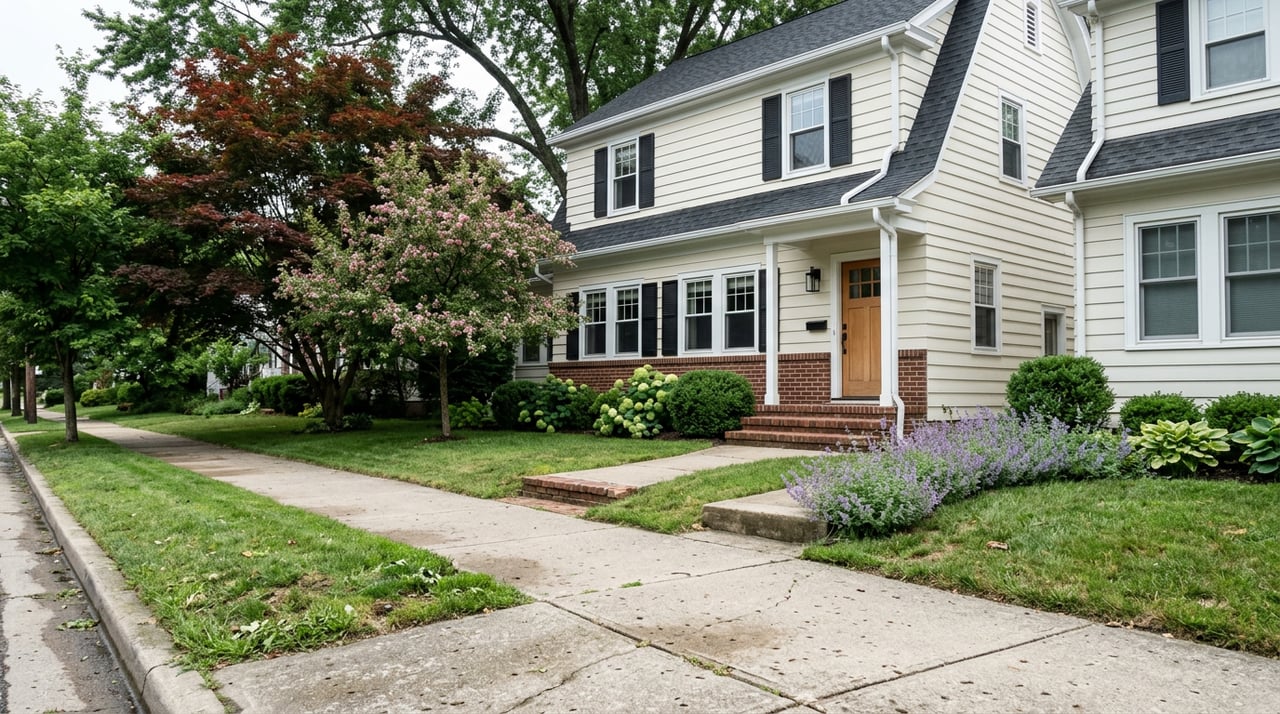
If you love leaving the car at home for coffee, a quick grocery run, or a park stroll, Brighton can fit your lifestyle. The town is mostly suburban, yet it hides a few standout pockets where daily errands and green-space walks are easy. In this guide, you will see exactly where walkability shines in Brighton, what life feels like on the ground, and the kinds of homes you can expect nearby. Let’s dive in.
Brighton blends quiet residential streets with a few high-convenience nodes. Street-level data shows that the Monroe Avenue corridor achieves Very Walkable scores, while the broader town trends more car-oriented. This split helps explain why your experience can feel very different from one block to the next.
Along Monroe Avenue, Walk Score rates many addresses as Very Walkable, around 82, which means most errands are doable on foot. By contrast, a townwide average near 29 reflects Brighton’s larger footprint of single-family neighborhoods where driving is common. You can check the latest address-level data on the Monroe Avenue Walk Score map.
Where Brighton is most walkable, you typically find a compact mix of cafés, restaurants, services, and nearby parks or schools. Sidewalks and bus service along parts of Monroe Avenue add to the convenience. The town’s population sits near 36,600, giving these clusters steady demand without big-city congestion, according to U.S. Census QuickFacts.
Monroe Avenue is Brighton’s walkable spine. In several stretches you will see continuous storefronts, small retailers, and restaurants that make quick errands and spontaneous meals simple. The corridor’s walkability is not accidental. The town’s Monroe Avenue Corridor Study outlines how land use, zoning, and streetscape shape where pedestrian-friendly segments thrive.
A major change arrived in April 2023 when Whole Foods opened at 2740 Monroe Avenue. The store added a regional grocery anchor within a short walk for nearby residents and influenced shopping patterns along the corridor. You can read the opening coverage in Spectrum News’ report on Whole Foods in Brighton.
If you value everyday convenience, living on or just off Monroe puts coffee, dining, banking, fitness, and quick services within a short walk. Specific storefronts change, but the corridor’s overall mix has held steady thanks to local planning and consistent demand.
Where Monroe Avenue meets Elmwood and South Winton, Twelve Corners forms a compact retail and services cluster. Small plazas, restaurants, and essentials create a village-like feel where you can grab takeout, pick up prescriptions, and meet friends without a long drive. For many homeowners, being “near Twelve Corners” is shorthand for easy, close-to-home errands.
What makes Twelve Corners appealing is the combination of daily convenience with nearby schools, the library, and municipal services. The setting draws a wide range of buyers who want a suburban home base with options to walk for part of their day.
On Brighton’s border, the University of Rochester and Strong Memorial Hospital anchor a major employment and services hub. Just southeast of campus, Clinton Crossings brings outpatient clinics and medical offices together, including practices within UR Medicine’s Clinton Alexander location. If you work in healthcare or want quick access to appointments, living near this node can simplify your routine.
While the immediate area is more office and medical in character than retail, it still supports a practical, close-in lifestyle. Short drives or bike rides connect you back to Monroe Avenue or Twelve Corners for dining and shopping.
Walkability is not only about errands. Brighton residents enjoy short, daily green walks that reset the day.
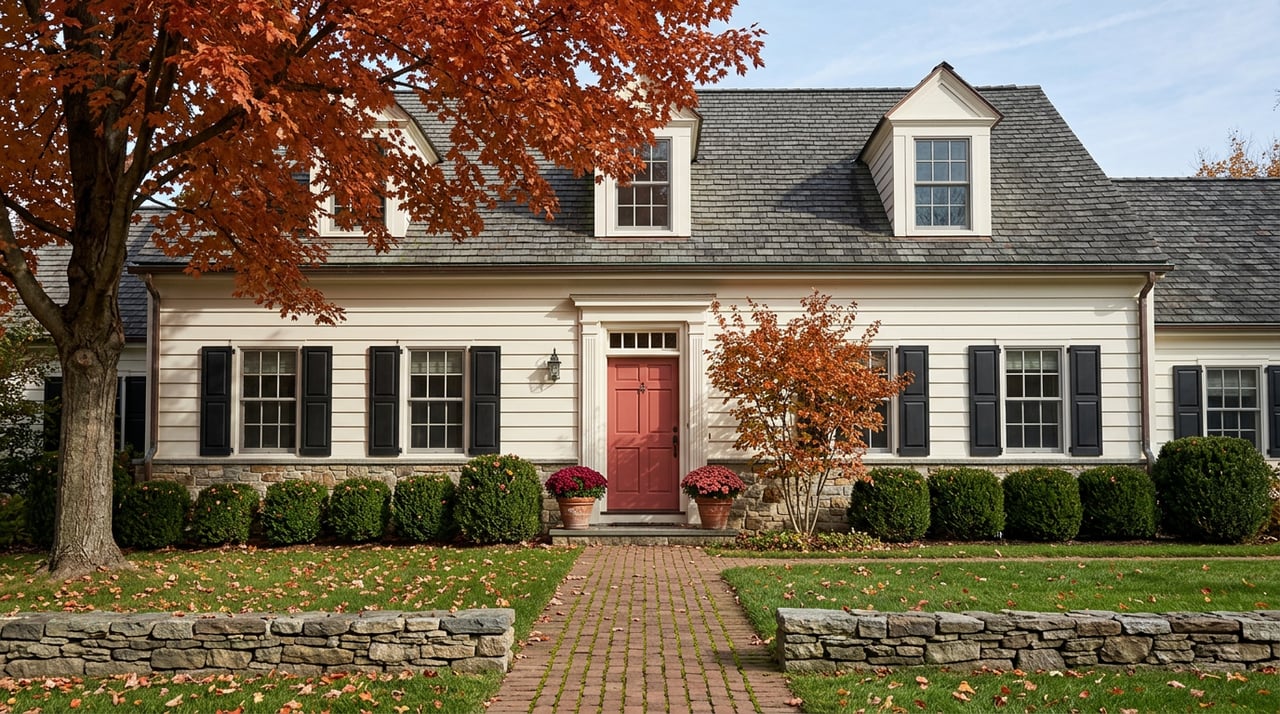
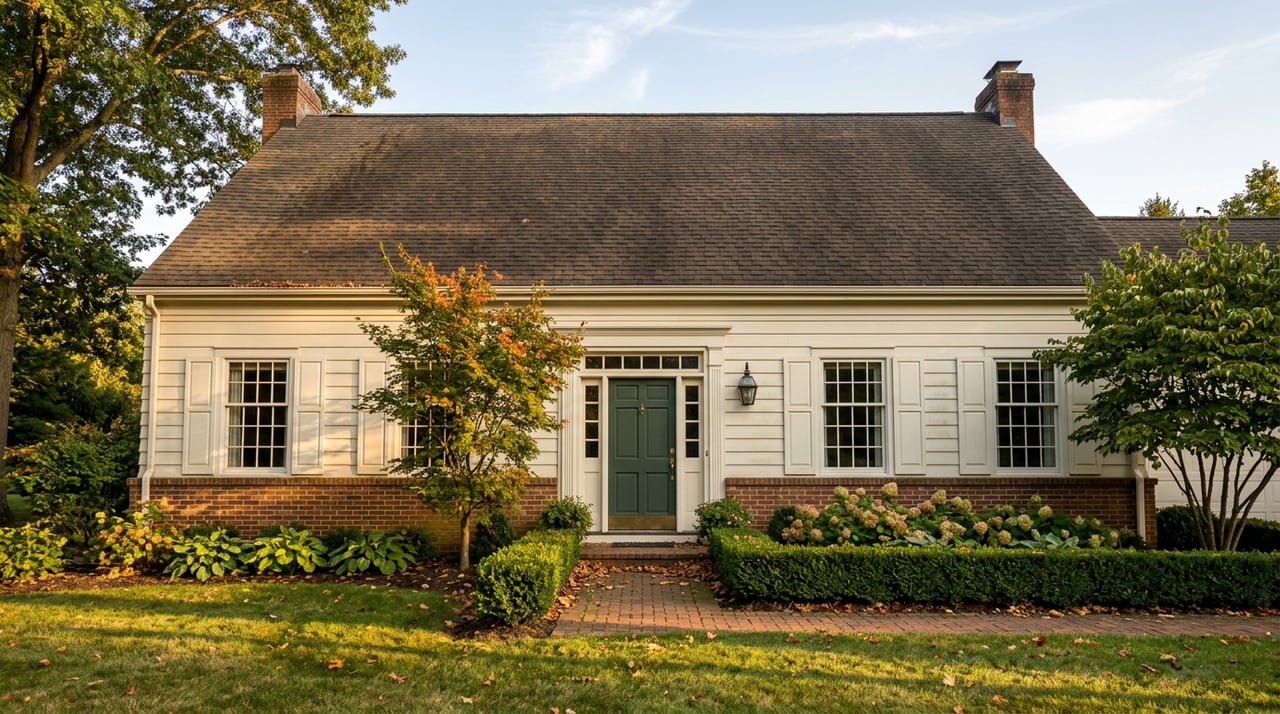
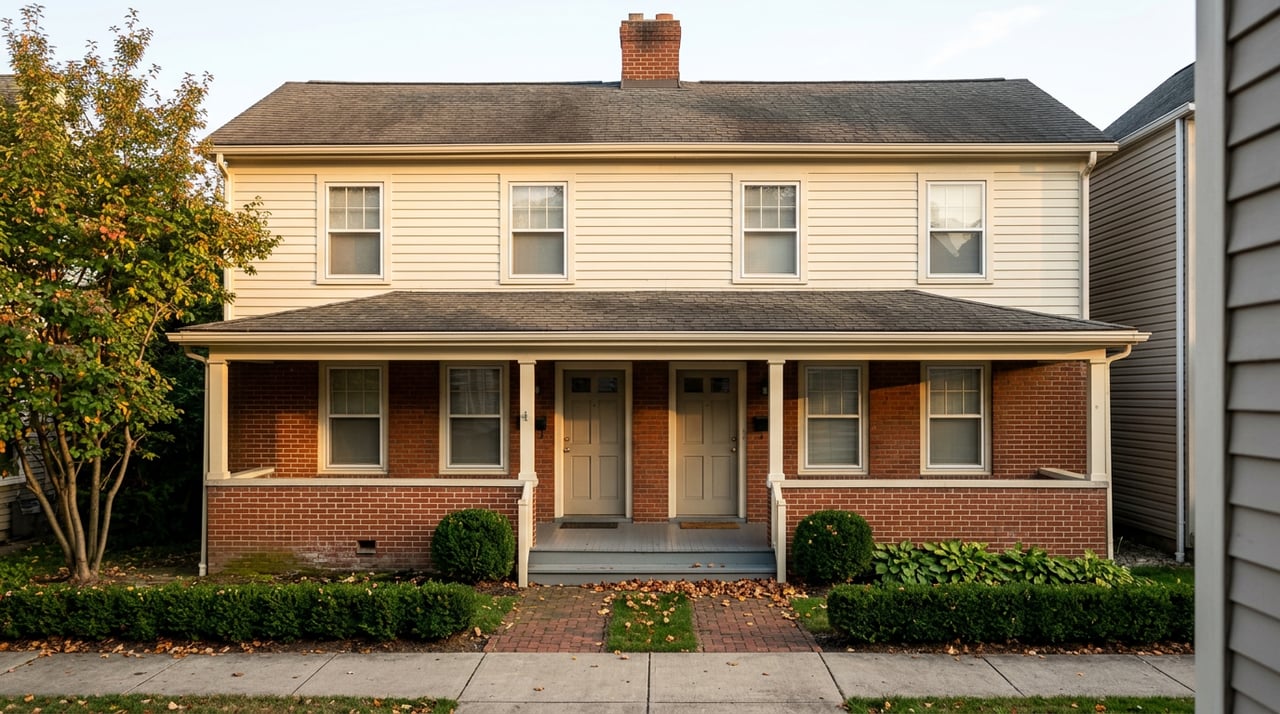
Housing near Monroe Avenue and Twelve Corners skews older and full of character. You will see classic Colonials, Tudors, and bungalows on tree-lined streets, plus small multi-family buildings and some condo conversions near the commercial stretches. For a deeper dive into the area’s architectural character and local history, explore this Historic Brighton newsletter.
Closer to the UR and medical area, you will find a wider range of rentals and small apartment buildings, along with some condo options that serve clinicians, students, and staff. The mix supports a variety of budget and space needs, from compact, low-maintenance living to larger homes with yards within a short drive of shopping nodes.
From much of Brighton, the drive to downtown Rochester typically takes 10 to 20 minutes in normal traffic. Along Monroe Avenue, Walk Score also highlights several RTS bus routes, which can add a reliable non-driving option for commuters. You can see transit mentions and stop density on the Monroe Avenue Walk Score page.
Sidewalk coverage is strongest in and around Monroe Avenue and the Twelve Corners cluster, which is why these areas feel the most walkable day to day. If transit is a priority, review current RTS schedules and confirm stop locations near any home you are considering.
Brighton has invested time in understanding and improving its main street. The Monroe Avenue Corridor Study documents how land use, zoning, and streetscape design influence the pedestrian experience and the types of businesses that fit the corridor. Local media have also reported that a state project is slated to reshape aspects of Monroe Avenue, which could affect traffic and construction timing. See the overview in WXXI’s coverage of Monroe Avenue plans, and check town notices for updates as timelines evolve.
For context beyond Brighton, nearby Pittsford offers a classic walkable village core with a consolidated main street, while Brighton’s walkability is concentrated along corridors and clusters like Monroe Avenue and Twelve Corners. The difference is described in the Village of Pittsford’s planning materials.
Ask yourself a few quick questions:
If you answered yes to most of these, focusing your search around Monroe Avenue and Twelve Corners is a smart move. Touring at different times of day will help you get a true read on noise, parking, and sidewalk activity level.
If you are new to Brighton, start by walking Monroe Avenue and the Twelve Corners cluster. Time a grocery run, test your commute, and see how often you can leave the car parked. When you are ready to match that lifestyle with a home, our team can set up targeted tours, share neighborhood-level insights, and guide you from offer to close with boutique, relationship-first service. Connect with Amy Petrone to start your Brighton search or to talk strategy for selling and moving closer to the action.
October 15, 2026
October 8, 2026
October 1, 2026
September 24, 2026
September 17, 2026
September 10, 2026
September 3, 2026

August 27, 2026
August 20, 2026
When you hire us you get all the services and advantages of a big team plus the one-on-one customer service of a boutique firm. We take pride in our client relationships and our accessibility!